

Facebook gaming groups regularly feature player recommendations, gameplay screenshots, and testimonials about competitive ranking experiences. Members share their progress, discuss matchmaking challenges, and exchange opinions about services that claim to improve competitive results. These conversations can help players understand available options, although the information shared is not always independently verified.
Discussions about Rainbow Six Siege rank boosting illustrate how commercial ranking services enter community conversations. Platforms such as BuyBoosting represent a category of third-party providers offering assistance with competitive progression. However, the presence of a service in a Facebook discussion does not establish its reliability, effectiveness, or compliance with game rules.
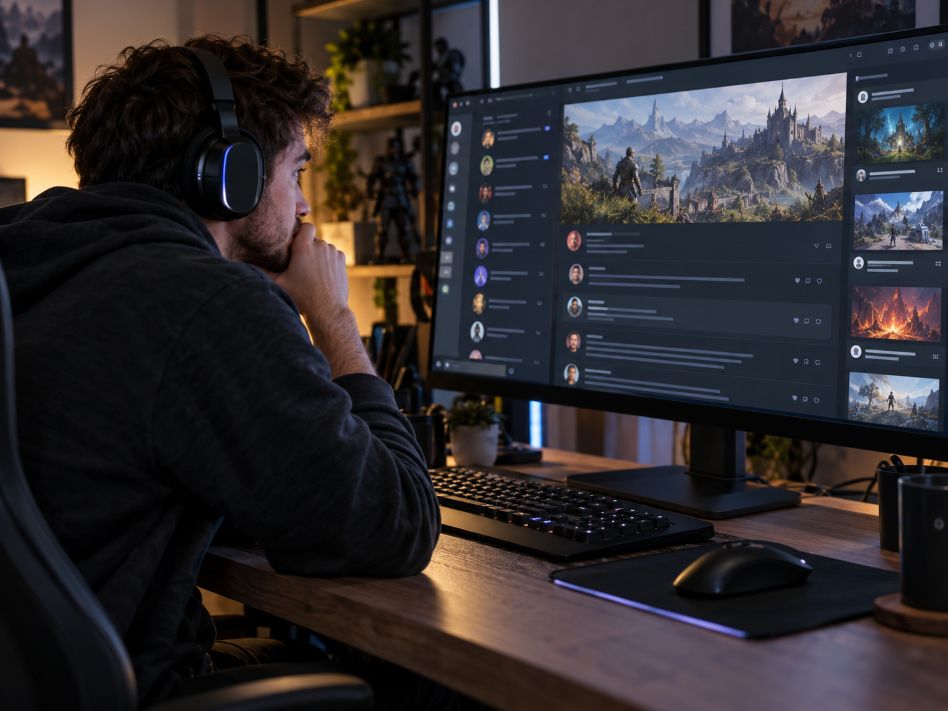
Why Community Recommendations Still Matter
Gaming communities provide something traditional advertising often lacks: direct conversations between players. Members can ask questions, compare experiences, and discuss problems that promotional descriptions might overlook.
A detailed review can explain how a service operates, what communication was provided, and whether the experience matched expectations. Other members can then question unclear details or offer different perspectives.
This exchange is particularly valuable when discussing competitive games. Ranking systems involve player skill, teamwork, matchmaking, and changing gameplay conditions. Understanding these factors helps members assess claims more carefully.
However, useful experiences should not automatically become universal recommendations. One player’s outcome may differ substantially from another’s because competitive circumstances are rarely identical.
Where Testimonials and Screenshots Fall Short
Screenshots are popular evidence in gaming discussions because they provide immediate visual information. A ranking screen may show an account’s competitive standing, while a match history can illustrate recent performance.
Nevertheless, these images rarely explain the complete story. A screenshot cannot independently establish who played the matches, whether a third-party provider was involved, or how the result was achieved.
Testimonials present similar limitations. A positive review may reflect a genuine experience, but readers cannot always confirm the reviewer’s identity or financial relationship with the provider.
The Federal Trade Commission addressed these concerns in its updated Endorsement Guides, emphasizing truthful recommendations and appropriate disclosure of relationships that could influence endorsements.
Members should therefore distinguish personal accounts from verified evidence. Multiple positive comments may encourage further investigation, but popularity alone does not demonstrate that a service is dependable.
How Can Players Recognize Promotional Bias?
Promotional bias becomes harder to identify when advertisements resemble ordinary community discussions. A recommendation from a familiar group member may appear independent even when compensation or another benefit is involved.
The Federal Trade Commission advises endorsers to disclose material relationships clearly. These relationships can include payments, employment connections, free services, or other benefits that might influence consumer judgment.
Community members can assess recommendations by asking several practical questions:
- Does the reviewer explain their actual experience?
- Is any financial or promotional relationship disclosed?
- Are claims supported by relevant, consistent evidence?
- Does the reviewer acknowledge limitations or negative outcomes?
- Can the information be checked through independent sources?
These questions do not guarantee an accurate assessment. They do, however, encourage more informed discussion and reduce dependence on enthusiastic promotional language.
Why Moderation and Disclosure Matter
Facebook group administrators influence how commercial recommendations appear within their communities. Clear posting standards can help distinguish player discussions from advertisements without preventing legitimate debate.
Meta, through its Facebook Help Center, documents administrative features for managing group posts and highlighting rules. These tools can support more transparent conversations when administrators establish consistent expectations.
Groups might require members to identify sponsored recommendations, disclose affiliations, and avoid unsupported guarantees. Moderators can also encourage contributors to explain their experiences instead of repeatedly posting promotional links.
Fair moderation should apply to positive and negative feedback alike. Removing every critical comment can create a misleading impression of unanimous approval, while allowing unverified accusations can damage constructive discussion.
The better approach is to evaluate evidence, encourage respectful disagreement, and apply published standards consistently.
Account Privacy Cannot Be an Afterthought
Ranking-related services also raise questions about account access and personal information. Some arrangements may involve another person accessing a gaming account, creating security and policy concerns.
Ubisoft identifies account sharing and certain ranking manipulation practices as violations of Rainbow Six Siege’s player protection rules. Such conduct can lead to restrictions or other sanctions.
Players should never treat requests for passwords, authentication codes, or recovery information as routine. Sharing credentials may expose accounts to unauthorized access and create problems that extend beyond competitive rankings.
Before considering any third-party assistance, members should examine the access being requested, the provider’s privacy explanations, and the game’s applicable rules. Coaching that does not involve account sharing should also be evaluated on its actual terms.
Checking Official Game Policies Before Trusting Claims
Commercial providers may describe their methods as safe, legitimate, or compliant. Those descriptions should be checked against official publisher policies rather than accepted as guarantees.
Ubisoft specifically identifies the use of external services to influence ranking as boosting under its Rainbow Six Siege core rules. Its guidance also addresses account abuse, prohibited promotion, and competitive manipulation.
This distinction matters because a successful ranking outcome does not prove that the underlying method is permitted. A service might deliver the advertised result while exposing an account to enforcement consequences.
Community members should review current official policies and distinguish legitimate skill development from prohibited competitive interference. Similar concerns about fair play in competitive gaming have emerged around the use of dodging scripts in League of Legends, highlighting how third-party tools can raise questions about competitive integrity. Rules can evolve, making older testimonials unreliable guides to present requirements.
What Makes a More Trustworthy Gaming Discussion?
A reliable gaming community does not need to prohibit every commercial conversation. It needs enough transparency for members to evaluate information without mistaking advertising for independent advice.
Balanced discussions acknowledge possible benefits, explain uncertainty, and identify relevant risks. They also recognize that competitive improvement can come through practice, coaching, teamwork, and better gameplay analysis.
Ultimately, Facebook gaming groups are most useful when recommendations become starting points for investigation rather than substitutes for evidence. Clear disclosure, responsible moderation, privacy awareness, and attention to official policies can help players make better-informed decisions about rank-related services.